
INSIGHT
The Psychology of Motivation in Youth Climbing: How Coaches Shape the Climate for Growth
What winning, motivation, and coaching climate really do to young climbers, and how to create an environment that supports enjoyment, resilience, confidence, and long-term development.

QUICK TAKEAWAY:
Winning matters, but the climate a coach creates matters more.
Young athletes are shaped not only by results, but by the environment around those results. In youth climbing, a mastery-oriented coaching climate — one that values effort, learning, and improvement — tends to support greater enjoyment, stronger relationships, and more sustainable motivation than a climate focused mainly on outperforming others.
➤ Athletes are strongly influenced by the motivational climate their coach creates.
➤ Mastery climates support enjoyment, confidence, and long-term engagement.
➤ Ego-focused climates can increase pressure, especially when athletes stop winning.
➤ The language coaches use helps shape how young climbers define success.
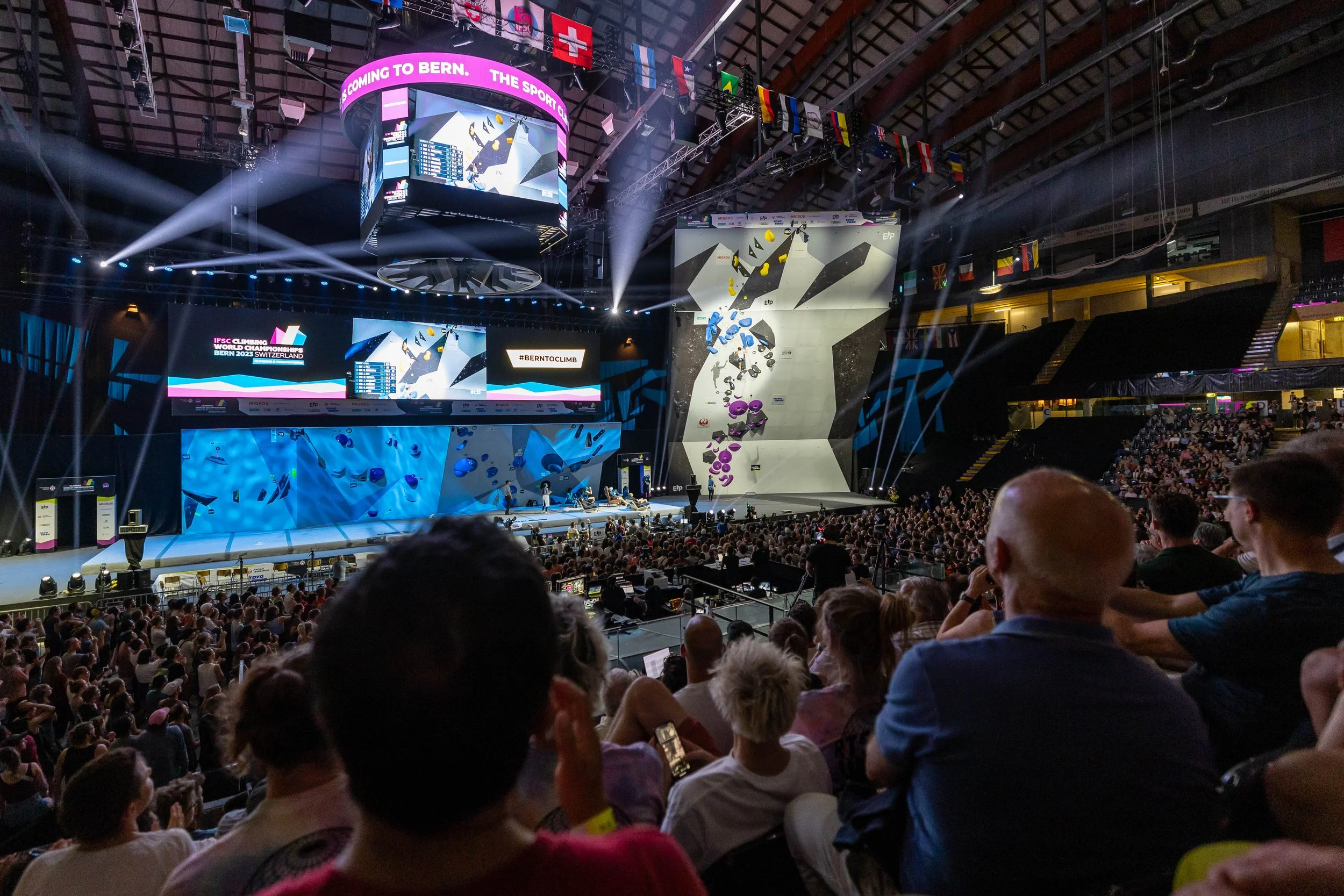
"Winning isn’t everything. It’s the only thing." It is a quote that still echoes through many competitive environments. And while climbing is not football, parts of youth competition climbing can easily drift toward the same mindset. When there are qualification cut-offs, limited team places, and podiums that seem to decide who gets opportunities, winning can quickly start to feel like everything.
But what does that do to motivation, especially in young climbers who are still developing their confidence, identity, and relationship with the sport?
Sport psychology offers a clear answer: the outcome matters, but the climate around the outcome matters even more. The way coaches define success, respond to mistakes, and talk about effort and comparison has a powerful influence on how athletes experience training and competition.

SUPPORT FOR CLIMBING COACHES
If you want to create a healthier, more motivating environment for your athletes, you do not have to figure it out alone.
Request a free 30-minute intro call to talk through your coaching challenges, team culture, and how to build a climate that supports both performance and wellbeing.
What the research suggests about motivation and coaching climate.
Research on youth athletes has found that coaching behaviour has a powerful impact on how young people experience their season. More specifically, athletes tend to respond differently depending on whether the climate around them is primarily mastery-focused or ego-focused.
In a mastery climate, success is defined by effort, learning, persistence, and personal improvement. In an ego climate, success is defined more by comparison, outperforming others, and winning.
That distinction matters. Young athletes generally report more enjoyment, stronger connection to coaches and teammates, and greater motivation to keep participating when the environment emphasises progress and learning. By contrast, climates that focus heavily on comparison and results can create more fragile motivation, especially when performance dips.
WHY THIS MATTERS:
Coaches do not just shape performance. They shape what athletes believe success means, how they interpret mistakes, and whether the sport feels like a place of growth or a place of judgement.
What this means for climbing coaches
Even though climbing is often described as an individual sport, young climbers rarely develop in isolation. They train in groups. They compare themselves with peers. They absorb the emotional tone of the training space. They watch how coaches respond to mistakes, pressure, and success. The social environment matters more than many people realise.
In climbing, coaches are powerful role models. The way you talk about effort, success, setbacks, and pressure often becomes the way your athletes start talking to themselves. Over time, your language helps shape how they define progress, how they cope with failure, and whether they stay engaged when climbing stops going well.
A mastery-oriented climate might sound like this:
➤ “I like how you stayed with that move and adjusted your beta.”
➤ “What did you learn from that attempt?”
➤ “You committed well there, even though the move felt uncertain.”
An ego-oriented climate often sounds different:
➤ “You were the only one who sent.”
➤ “You need to beat her if you want to make the team.”
➤ “This result is what matters today.”
Both styles can drive performance in the short term. But their long-term effects are very different. A mastery climate tends to build resilient, self-determined athletes who can cope better with setbacks. An ego climate can create motivation that depends too heavily on winning — which becomes a problem the moment results stop going your athlete’s way.
More free education
Want more support with coaching psychology, motivation, and team culture?
Follow Climbing Psychology on Instagram for practical sport psychology insights for climbing coaches, youth athletes, and parents.
5 practical ways to build a healthier training climate
Creating a mastery climate does not mean ignoring competition. It means making sure competition sits inside a broader environment of growth, learning, and support. These five coaching habits can make a meaningful difference.
1. Define success beyond results.
If success is only defined by podiums, tops, rankings, or qualification, motivation can become brittle very quickly. In climbing, progress is rarely linear. Athletes need a wider definition of success if they are going to stay engaged over time.
Talk about success in terms of progress, effort, decision-making, tactical learning, emotional regulation, and personal bests. Help athletes see that a competition can still be valuable even when the result is disappointing.
2. Give feedback on effort, strategy, and process.
Outcome matters, but it should not be the only thing you respond to. If a climber sends a route, there is still value in highlighting what supported that performance. If they fall, there is still value in noticing what they did well in the process.
Feedback like “You committed to the move even though you were pumped” or “You adjusted well after the first attempt” teaches athletes what to repeat. It also helps them build confidence that is based on controllable behaviours rather than only on results.
3. Watch your language during competitions.
The wording you use before and after a round can quickly shift the climate. A sentence like “Let’s focus on executing your plan” supports clarity and mastery. A sentence like “You need this top to qualify” may increase pressure and comparison, even if it is factually true.
Especially in youth climbing, small changes in language can have a big psychological effect. When in doubt, bring attention back to process, rhythm, decision-making, and learning.
4. Notice that athletes respond differently.
Some athletes appear energised by direct comparison. Others become tense, hesitant, or shut down. Younger climbers and many girls, in particular, may be especially sensitive to relational support and the emotional tone of the environment.
That does not mean every athlete needs exactly the same coaching. It means coaches need to stay curious. Notice who thrives, who withdraws, who becomes self-critical, and who needs more security, challenge, or structure.
5. Reflect on the climate you are already creating.
One of the most useful questions a coach can ask is: What do my athletes think I value most? Their answer may tell you more about your climate than your intentions do.
If your athletes believe you mainly value winning, comparison, or selection outcomes, that belief will shape how they train and perform. If they believe you value growth, courage, effort, learning, and mutual support, that will shape the climate too.
Why a mastery climate matters for long-term development.
In a sport like climbing, failure is part of daily practice. Athletes fall off problems, misread sequences, hesitate, get pumped, and struggle through plateaus. If the environment treats these moments only as signs of weakness or not being good enough, athletes may become more fearful, more dependent on results, and less willing to take the risks that learning requires.
A mastery climate creates something more sustainable. It helps athletes develop resilience, better self-talk, stronger ownership of their process, and a healthier long-term relationship with the sport. That matters not only for performance, but for mental wellbeing too.
A USEFUL COACHING QUESTION:
Are my athletes mainly trying to improve, or mainly trying not to fail? The answer often reveals the climate they are training in.
Final thoughts for youth climbing coaches.
Winning will always matter in competition climbing. Results matter. Selection matters. Performance matters. But if winning becomes the only thing that matters, motivation often becomes narrow, fragile, and harder to sustain.
The most effective coaching environments are usually not the ones that remove ambition. They are the ones that place ambition inside a culture of learning, support, accountability, and growth. That is what allows athletes to pursue performance without tying their whole value to the outcome.
As a coach, you are always teaching more than movement. You are teaching what success means, what mistakes mean, and what kind of relationship athletes can have with challenge. That is why the climate you create matters so much.

YOUR NEXT STEP
Want support with motivation, pressure, and coaching climate?
We help climbing coaches build environments that support motivation, confidence, resilience, and sustainable performance. Book a free intro call to explore what could help your athletes most.